

Spa bathroom design isn’t just about soaking tubs and rain showers—it’s about making smart, ROI-aware choices that boost wellness, comfort, and home value without sabotaging your resale or inflating long-term costs.
Key Takeaways
- Spa bathroom design is a dominant 2024 luxury trend, but high-end features rarely recoup full costs—understand the ROI trade-offs before you splash out.
- Focus on high-impact features (walk-in showers, updated floors, improved lighting) for maximum value; luxury extras like steam showers or heated floors should fit your lifestyle, not just your wishlist.
- Long-term success comes from balancing upfront investment, ongoing maintenance, and choosing features respected by both buyers and real estate professionals.
- Why a Spa Bathroom — Trend + Market Context
- Real ROI Reality — What to Expect Financially
- Popular Spa-Like Features Homeowners Ask For (and Which Deliver Value)
- Costs, Technical Requirements & Brand Considerations
- Common Challenges, Complaints & Installation Pitfalls
- Maintenance, Longevity & Total Cost of Ownership
- Wellness Benefits—Claims vs. Evidence (How to Justify the Expense)
- Regional & Market Strategy—Tailor the Design to Your Resale Market
- Top 3 Underexplored Ideas to Lead With
- Practical Planning Checklist & Budget Tiers
- How to Vet Contractors & Avoid Costly Surprises
- Conclusion & Next Steps
- FAQ
Why a Spa Bathroom — Trend + Market Context
Spa bathroom design is not just a fleeting Pinterest look—it’s become a leading trend as homeowners invest in both wellness and future resale appeal. In 2024, the US bathroom remodeling market reached $48.67 billion, projected to hit $72.27 billion by 2034 (4% CAGR). Spa-inspired features—think freestanding tubs, steam showers, rainfall showerheads, and heated floors—are top asks among discerning homeowners seeking comfort, well-being, and a “personal retreat” at home. Yet, these upgrades come with trade-offs: higher up-front costs, more complex installation, and ROI numbers that demand a smart plan if you’re eyeing future resale.
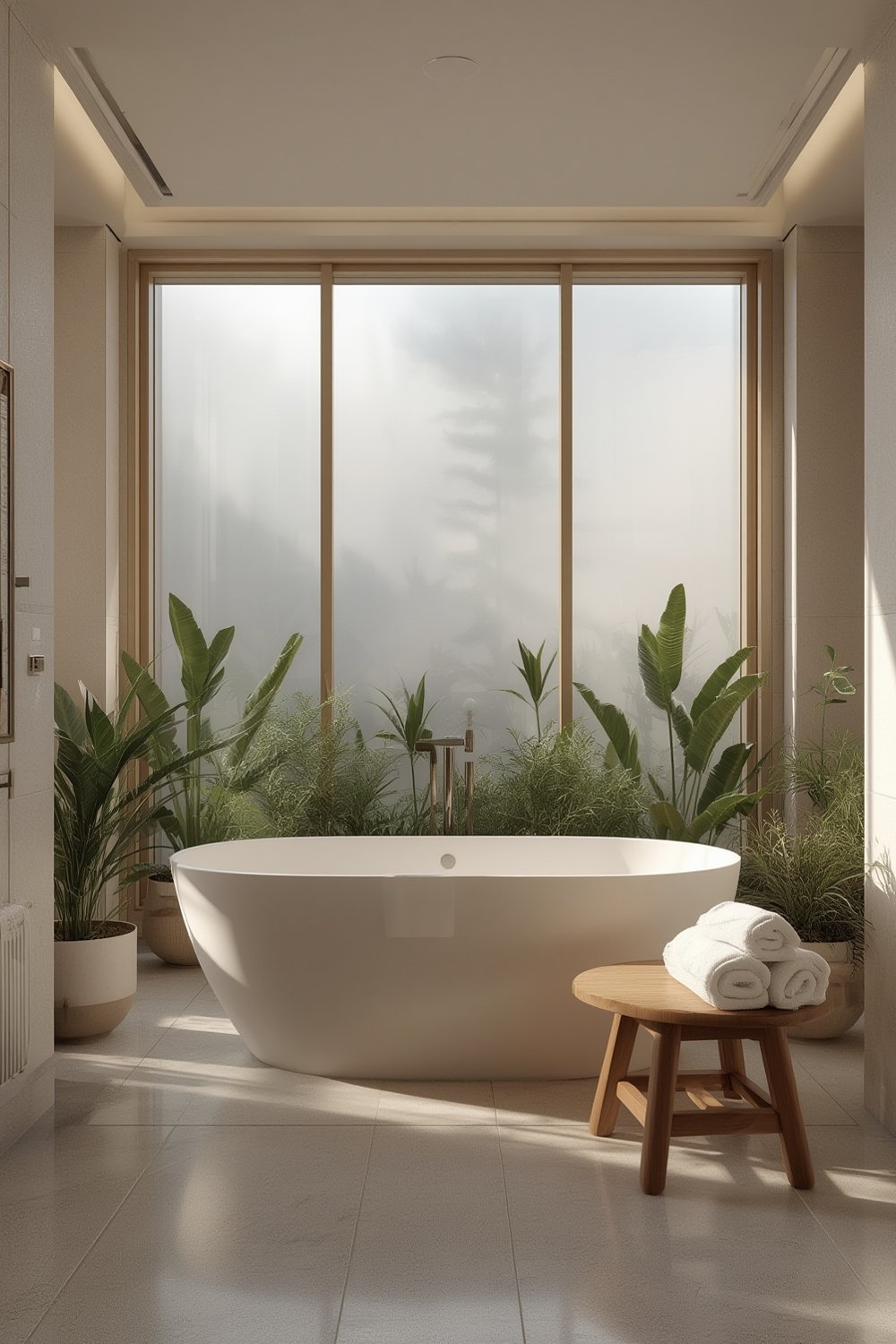
Buyers notice wellness-centric features, but savvy homeowners balance cost, ongoing maintenance, and market dynamics before committing to the full spa experience. Understanding what pays back and what doesn’t will dictate a successful remodel for the long haul.
Real ROI Reality — What to Expect Financially
First, let’s ground expectations. The national average ROI for a midrange bathroom remodel is 73.7–80%, with updated showers, smart lighting, and durable flooring driving most of that recoupment. In the luxury realm—where features like steam showers, heated floors, and custom millwork come into play—ROI plunges to 45–50%.
There are strong regional differences, too. Pacific states post up to 91% ROI on midrange, well-scoped remodels, and New England hovers at 90.5%—far above the 80% national baseline. Luxury spa renovations in any region, however, rarely return more than half the investment, unless you’re in an ultra-high-demand or aspirational market segment.
Think “buyer confidence”—most buyers in the $1M+ tier expect one visually impactful, functional luxury bathroom. But even there, taste-specific upgrades (colored tub, custom tile murals) can hurt resale, while classic updates (frameless glass, double vanities, radiant floors) are broadly appealing. For more on maximizing home tech appeal, check out our guide to Smart Kitchen Technology for 2025.
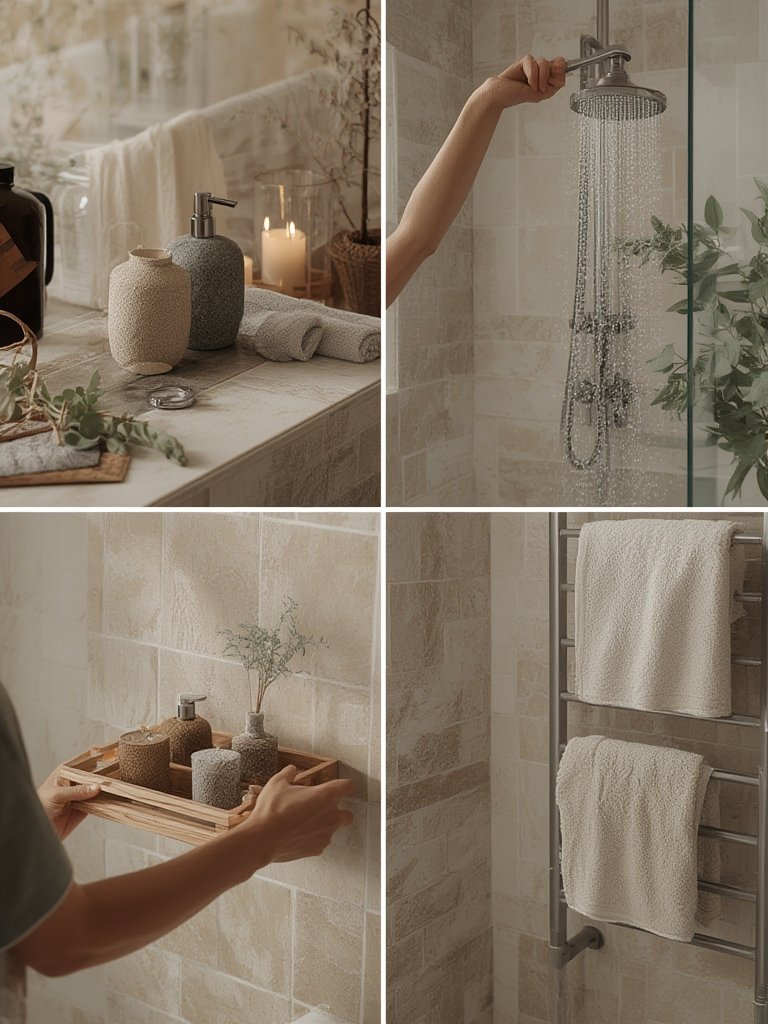
Want to quantify? Here’s a quick look at regional midrange ROI stats for bathrooms, based on Zillow’s ROI research:
| Region | Midrange ROI | Avg. Cost | Avg. Value Recouped |
|---|---|---|---|
| Pacific | 91% | $27,710 | $25,217 |
| New England | 90.5% | $27,559 | $24,937 |
| National Avg | 80% | $26,138 | $20,915 |
Popular Spa-Like Features Homeowners Ask For (and Which Deliver Value)
Every year, spa-like bathroom features dominate design wish lists, but not all pay back or age equally well. Here’s a reality check:
- Walk-in showers (60–80% ROI): Always popular with buyers. Accessible, modern, and easy to maintain. A must for aging in place or resale.
- Updated flooring (70–85% ROI): Luxury vinyl, large-format porcelain tile, or heated floors increase appeal and durability. Avoid ultra-high-maintenance stone unless you want ongoing hassle.
- Improved lighting (75–90% ROI): Layered, dimmable lighting sets a spa mood and resale value. Simple to upgrade.
- Double vanities (65–75% ROI): More storage, room to share—these are always valued, especially in owner’s suites.
- Rainfall showerhead & steam showers: Trending in 2024, but often return less value than updated layouts, accessible showers, or smart fixtures. These can increase long-term maintenance and energy costs.
- Smart tech, touchless faucets, digital controls: Future-forward appeal, common in high-end listings, but buyer preferences still vary.
Crucially, accessibility upgrades—curbless entries, wider doors—can power up both marketability and wellness, as seen in related biophilic design trends. Yet, if you choose luxury spa bathroom ideas with niche style, expect a lower ROI unless your neighborhood supports it.
Costs, Technical Requirements & Brand Considerations (what we know—and what we don’t)
Many luxury spa bathroom ideas require more than just a bigger budget—they demand careful technical planning.
- Steam shower installation: You need adequate waterproofing, sloped ceilings, special ventilation, proper electrical circuits, and usually ceiling heights >8’. As of 2024, specific pricing is market variable—secure at least three vendor quotes for steam shower installation, since costs (including labor) widely range from $5,000–$15,000+ depending on scope and region. No reliable cross-brand specs found in public research.
- Rainfall showerhead: Upgrading to high-flow, multi-function rainheads usually means rerouted plumbing, additional water pressure, and sometimes ceiling reinforcement. Again, costs are brand and installer specific. Water-saving or low-flow models may reduce utility bills by up to 60% but may sacrifice water volume and massage pressure.
- Heated floors, tub automation, digital controls
- Look for warranties, UL rating, and brands with local support. Remember that extra square footage, accessibility retrofits, and energy usage all add up in technical requirements and ongoing cost.
Key research gap: No detailed, public domain data on cross-brand performance, energy consumption, or long-term technical pitfalls for most spa upgrades. Always require written specs and warranty details from each vendor/installing contractor.
Common Challenges, Complaints & Installation Pitfalls
Spa-like bathroom features might look blissful on Instagram, but installation has real-world risks. Here’s what homeowners often underestimate:
- Hidden costs: Upgrading to spa features (like a steam shower installation) often reveals sub-floor, electrical, or waterproofing issues. Budget 15–20% for contingencies.
- Space constraints: Freestanding tubs and large walk-in showers eat more square footage. Those with small bathrooms must weigh practicality and resale impact.
- Ventilation: Poor venting in steam or wet rooms leads to mildew, finish failure, and warranty voids. Invest in dedicated ventilation upgrades, not just a stronger fan.
- Water/energy usage: Heated floors and steam units sharply increase utility costs. Ask for energy ratings before you commit.
- Contractor experience: Not all builders are qualified for high-end steam or smart plumbing systems. Insist on written credentials and insurance for complex spa work.
- Permitting and local codes: Spa systems may require additional permits for electrical and water changes. Never skip city sign-off, or you risk resale headaches.
Lack of verified long-term maintenance data makes detailed vetting and checklist-based planning even more crucial. We’ve included a free downloadable 5–10 Year TCO Worksheet and comprehensive Contractor Vetting Checklist below.
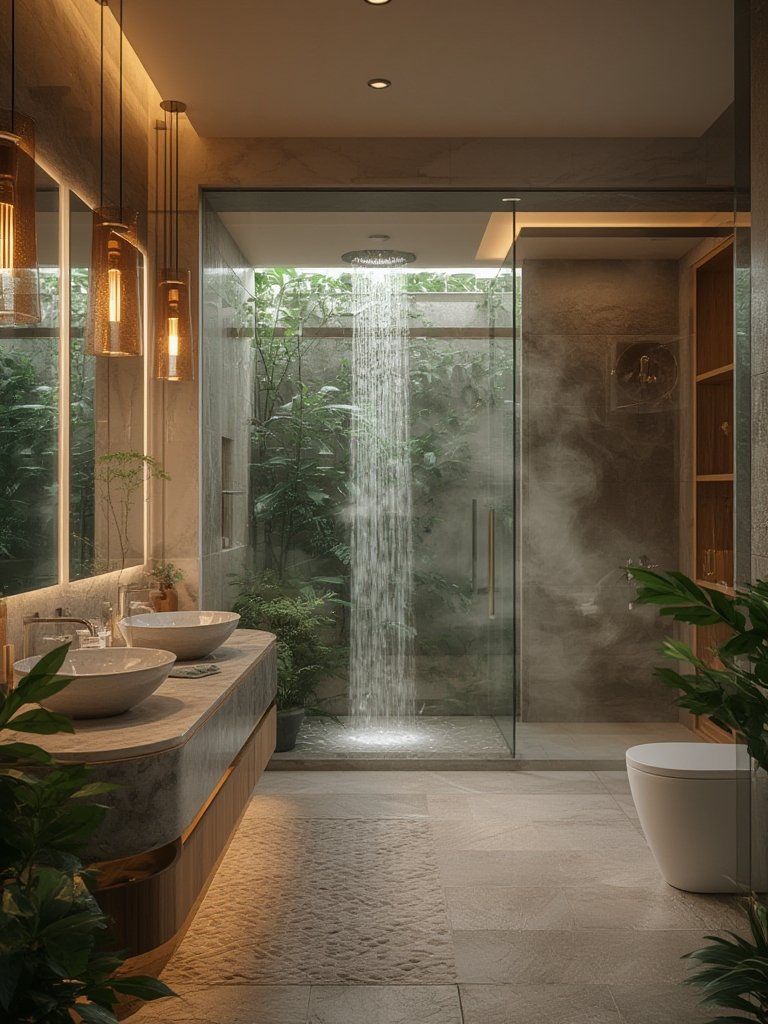
For top-level home security to pair with your bathroom project, check out our review of the DESLOC B200 Smart Door Lock.
Maintenance, Longevity & Total Cost of Ownership
Here’s where luxury spa bathroom ideas face their biggest tests. Ongoing maintenance, repairs, and utility consumption often outlast initial wow-factor—and eat into ROI.
- Routine care: Clean and descale rain showerheads monthly. Inspect grout and caulk quarterly. Steam showers need more frequent de-liming and filter checks.
- Failure points: High-tech fixtures (digital shower controls, heated floors) can fail prematurely if not installed per manufacturer specs. Keep a log of warranties and have a trusted pro for out-of-warranty service.
- Servicing intervals: Heated floor thermostats and steam units require pro servicing every 1–2 years. Skipping this voids most warranties and can cost far more in the long term.
- Water/energy costs: Steam and electric radiant heat can add $300–$700/yr to utility bills, depending on use and region.
Function-first wellness bathroom design is often more cost effective over 5–10 years than chasing the highest-end finishes. Download our Maintenance & Total Cost of Ownership Worksheet (5–10 Years) to project your own costs.
For buyer appeal, the research confirms: “functional, low-maintenance surfaces often trump ultra-luxury finishes for payback.”
Wellness Benefits—Claims vs. Evidence (How to Justify the Expense)
Wellness is a great reason to invest in a spa bathroom—but data-backed proof is thin. Though spa bathroom design is positioned as a “personal retreat” for stress reduction, relaxation, and recovery, the research did not identify any quantified studies measuring health outcomes from home spa features.
If true wellness is your goal, consider evidence-backed features: great ventilation for air quality, accessibility for daily function, and biophilic elements (plants, daylight) for proven stress reduction. For deeper insight, see our guide to Biophilic Design for Wellness.
If you need to justify expense, cite the peace of mind, privacy, and daily self-care improvement: but recognize luxury spa features alone don’t guarantee measurable health ROI.
Regional & Market Strategy—Tailor the Design to Your Resale Market
The best spa bathroom design is one that fits your local buyer. In high-value neighborhoods, buyers may expect heated floors, a steam shower installation, and voice-activated controls. In mainstream zip codes, functional longevity trumps flash—think updated vanities, efficient layouts, and market-proven finishes.
Homes with recently updated bathrooms sell up to 23% faster than those with old fixtures (see market data), but only high-priced custom markets support full-cost recoupment for luxury spa bathroom ideas. Always review comps: in most markets, midrange remodels are the most prudent investment.
This focused, ROI-driven approach is echoed by top agents and designers. For an even broader smart home upgrade, check our Smart Kitchen Tech Trends to coordinate value-driven projects throughout your house.
Top 3 Underexplored Ideas to Lead With
- Post-Install Maintenance & TCO Calculator: Virtually every guide omits long-term maintenance, warranty, and energy/water use costs. Our free worksheet lets you compare midrange vs. luxury feature costs over 5–10 years. Don’t skip this step if you want real ROI.
- Regional Demand & Retrofit Guidance: Before you specify a steam shower installation or heated floors, search for local buyer trends and climate. For instance, humid regions may prefer updated ventilation over a steam unit, while cold climates get better lifestyle and resale returns from heated flooring. For best retrofit guidance, ask contractors to break out climate-specific cost-driving factors.
- Energy/Water Efficiency Trade-Offs: Remember, the lowest-utility spa bathroom design is often the best for future owners. Compare the energy use, water consumption, and long-term costs of steam systems and heated floors versus their comfort benefit—use our worksheet and ask for performance data before you buy.
These tools are rare—leverage them for a leg up over generic spa bathroom design info you’ll find elsewhere.
Practical Planning Checklist & Budget Tiers (Entry, Mid, Luxury)
Set yourself up for success by starting with a structured, ROI-focused checklist:
Entry-Level Spa (Budgets: $7k–$15k+)
- Fresh paint, new lighting, mirror upgrades
- Curbless walk-in shower or low-threshold tub (if space allows)
- Refinish or replace flooring with water-resistant LVP or tile
- Low-flow rainfall showerhead
Midrange Spa Upgrade (Budgets: $18k–$35k+)
- Frameless glass walk-in, dual vanities
- Heated floor system (select zones)
- Smart lighting and touchless fixtures
- Expanded closet or linen storage
Luxury Spa Experience (Budgets: $40k–$100k+)
- Custom steam shower installation with seating
- Freestanding smart tub with automated fill
- Biophilic accents—living wall, daylight enhancements
- Fully integrated digital controls for all fixtures
Note: All ranges above are market dependent—always obtain local contractor quotes for steam shower installation, smart systems, and unique site factors. Budget for permits, professional waterproofing, and accessibility upgrades as required by local code.
Universal Contractor/Permit Checklist
- Obtain written scope and insurance certificates
- Confirm waterproofing, slope, and ventilation plans
- Review electrical and plumbing upgrades before demo
- Verify manufacturer warranty requirements
Download our Contractor Vetting Checklist for spa bathroom design success.
How to Vet Contractors & Avoid Costly Surprises
Complex luxury spa features—especially steam shower installation, heated floors, or whole-home digital controls—require serious vetting. Here’s how to protect your investment:
Interview Questions
- How many spa bathroom remodels have you completed in the last year?
- Are you licensed, insured, and certified to install steam and digital plumbing systems?
- What’s your lead time from start to finish, and how do you handle unexpected issues?
- Can you provide recent references with similar spa-like bathroom features?
- What warranties do you offer on both labor and parts?
Red Flags
- Pushes you into upgrades you didn’t request
- Unclear contract language or vague allowances
- Reluctance to provide proof of insurance or licensing
- Lack of manufacturer-specific installation training
- Refuses to put the scope in writing
Sample Scope-of-Work Addendum for Steam Shower Installation
- Includes full electrical and plumbing diagram
- References manufacturer install instructions
- Details ventilation, waterproofing, and slope plans
- Lists warranty duration, parts/labor, and response time for call-backs
Request everything in writing—never pay more than 33% up front, and always schedule walkthroughs at key milestones.
If you want smart controls to coordinate and secure your new spa bathroom, see our expert review of the DESLOC B200 Smart Door Lock for total home security integration.
Conclusion & Next Steps (CTA)
Spa bathroom design can substantially elevate your home experience and boost marketability—but only when anchored in ROI, maintenance realism, and smart local market fit. Prioritize functional updates and low-maintenance surfaces for maximum value, then selectively add luxury spa features where your lifestyle—or resale market—justifies the investment.
Download our free TCO Calculator and Contractor Vetting Checklist to plan your dream spa bathroom with clarity. For hands-on advice, schedule a home value review with a local real estate professional and get tailored contractor quotes before breaking ground. Spa bathroom design done right is about wellness for your family and your investment.
FAQ
What features should I prioritize in spa bathroom design for the best ROI?
Focus on walk-in showers, updated flooring, double vanities, and layered lighting. Reserve steam showers, freestanding tubs, and heated floors for personal enjoyment or high-end markets.
How much does a spa bathroom remodel cost on average?
Entry-level remodels (cosmetic upgrades) range from $7k–$15k+, midrange projects from $18k–$35k+, and luxury spa installations (with steam, smart tech) often exceed $40k–$100k+. Prices vary regionally—always get local contractor bids.
Are luxury spa features worth it for resale?
Luxury features typically return 45–50% at resale compared to 73.7–80% for midrange updates. In very high-value markets, buyers may expect luxury upgrades; elsewhere, focus on broad-appeal, low-maintenance updates first.
What are the main maintenance concerns with spa-like bathroom features?
Regular descaling for rainfall showerheads, periodic servicing of steam units and heated floors, and diligent inspection of waterproofing. Keep repair logs and follow manufacturer schedules to avoid warranty problems.
Where can I find a TCO calculator and a contractor vetting checklist?
Get our free downloads above for a 5–10 year Total Cost of Ownership worksheet and a comprehensive Contractor Vetting Checklist tailored for luxury spa bathroom projects.