

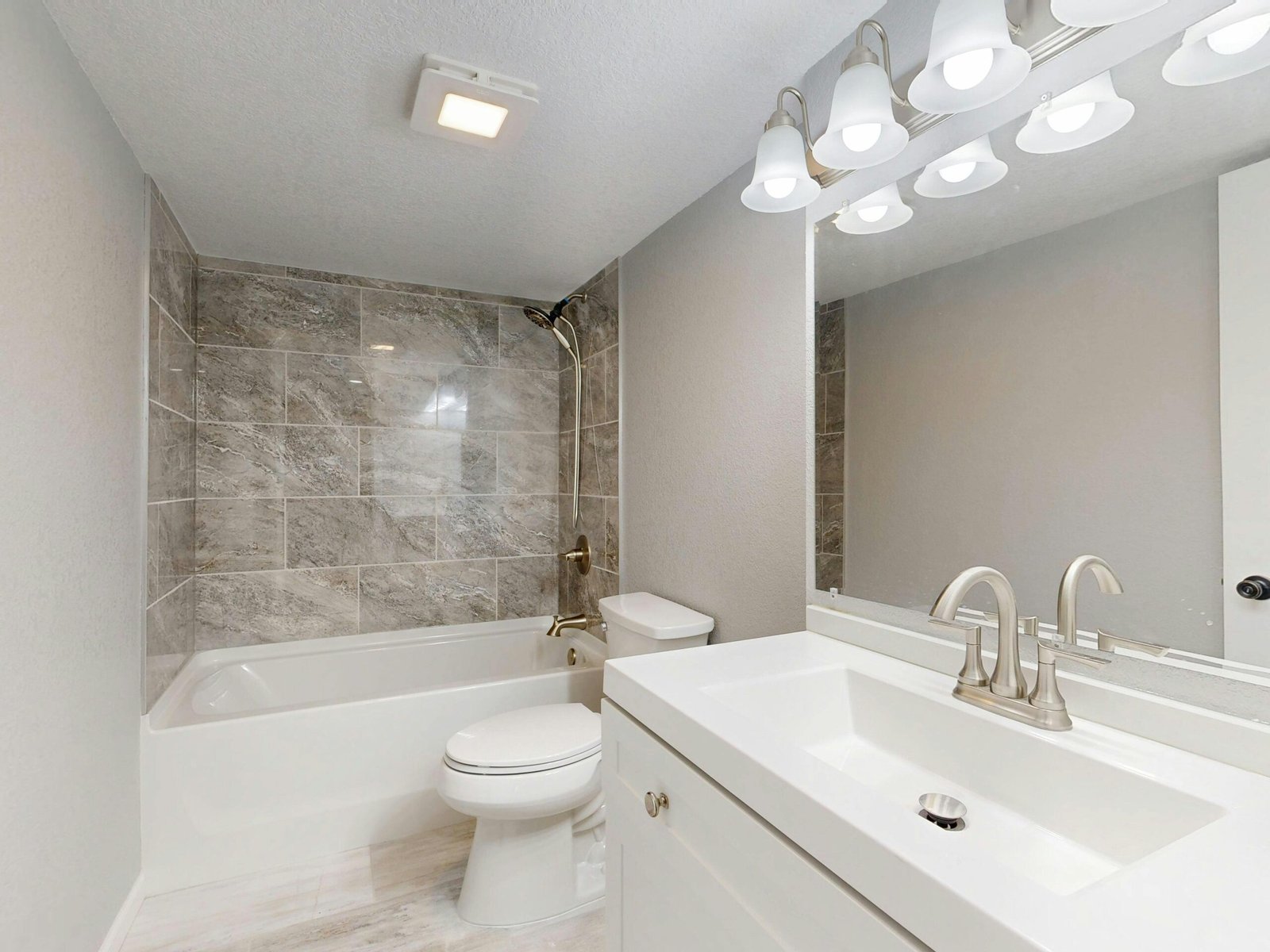
Smart bathroom technology is changing how homeowners remodel, but making the right choices means balancing convenience, costs, privacy, and true long-term value. This guide strips away the hype to help you decide what’s actually worth your budget—and what could cause headaches down the road.
Key Takeaways
- Smart bathroom technology is a fast-growing, multi-billion dollar market—yet real installation, security, and cost data for homeowners remains scarce and requires careful research.
- Advanced features like AI-powered health monitoring, touchless controls, and energy-saving modes promise added value, but device setup, compatibility, and privacy come with hard tradeoffs.
- Homeowners should follow a practical checklist—verifying compatibility, installation needs, user reviews, and ongoing costs—to make choices that pay off in comfort, hygiene, and resale value.
- Market snapshot — How big is smart bathroom technology in 2024 and why it matters to homeowners
- Regional adoption & growth — Where smart bathroom tech is taking off (and where it’s lagging)
- Who’s buying and which products lead — Residential trends & category leaders
- The buyer’s checklist — Real-world compatibility and connectivity you must verify before buying
- Installation, electrical & plumbing realities — What’s DIY vs. needs a pro
- Costs you’ll face — Upfront purchase, installation, and ongoing maintenance
- Most advanced smart toilet features in 2024 — What’s new vs. previous generations
- Touchless faucets, voice-controlled showers, and smart mirrors — technical specs & integration tips
- Reliability & security — What we know, what’s missing, and how homeowners should evaluate risk
- Energy, water savings and long-term ROI — an undercovered but decisive topic
- Common homeowner pain points & where to source real feedback
- Top 5 actionable recommendations for homeowners ready to upgrade
- Sources the writer must consult and data to collect before drafting
Market snapshot — How big is smart bathroom technology in 2024 and why it matters to homeowners
Smart bathroom technology has rapidly scaled from niche upgrades to a mainstream, highly competitive market. In 2024, global estimates place its size between USD 7.6 and 10.5 billion, supported by annual growth rates of roughly 11.6% to 16.5% projected through 2030–2034. That means more products, more features, and manufacturers racing to roll out better integrations and connected experiences in everything from toilets to mirrors.
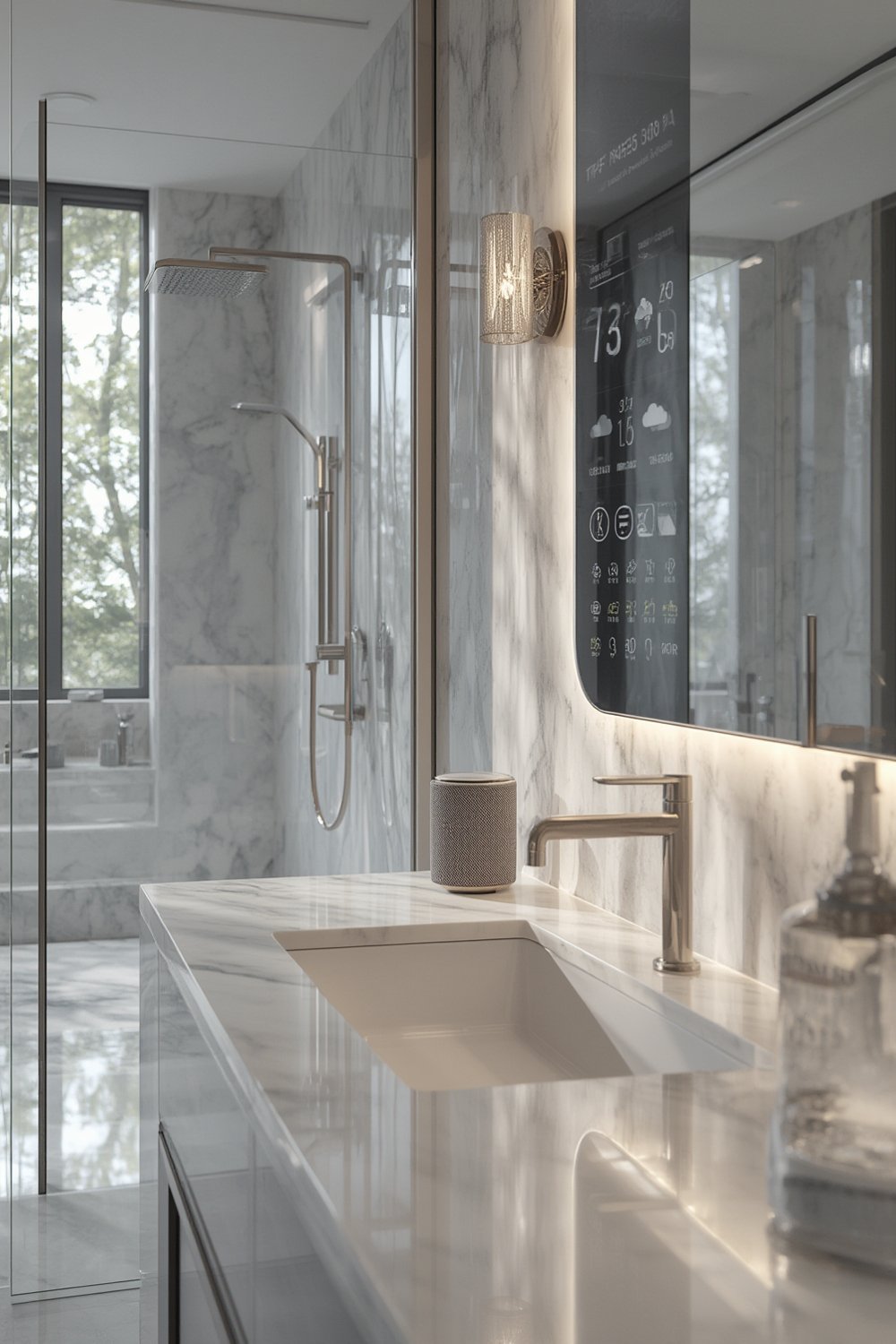
This momentum gives homeowners a much bigger, better menu of options for value-driven bathroom upgrades—and ensures quickly improving support for smart home platforms like Alexa and Google Assistant. Manufacturers bet big because modern buyers want better hygiene, comfort, accessibility, and energy savings.
Cited sources:
Cognitive Market Research,
Strategic Market Research,
SNS Insider
Regional adoption & growth — Where smart bathroom tech is taking off (and where it’s lagging)
Adoption rates and available product choices vary a lot by region, which can impact pricing and installers in your area. In 2024, North America accounted for 34–40% of the market (USD 2.46–3.05B), followed by Europe at around 30% (~USD 2.28B), and Asia-Pacific at 23% (USD ~1.75B). But the most important highlight: Asia-Pacific is currently the fastest-growing region, with an explosive CAGR of 14.5%–16.5%. This pace will drive down device costs and ramp up availability worldwide—often first in Europe, then North America.
For US and UK homeowners, this means the variety, after-sales service, and ecosystem maturity are strong and getting stronger. If you’re in Asia or Australia, you may see product launches and price breaks earlier than elsewhere soon.
See additional breakdowns at
Market.US.
Who’s buying and which products lead — Residential trends & category leaders
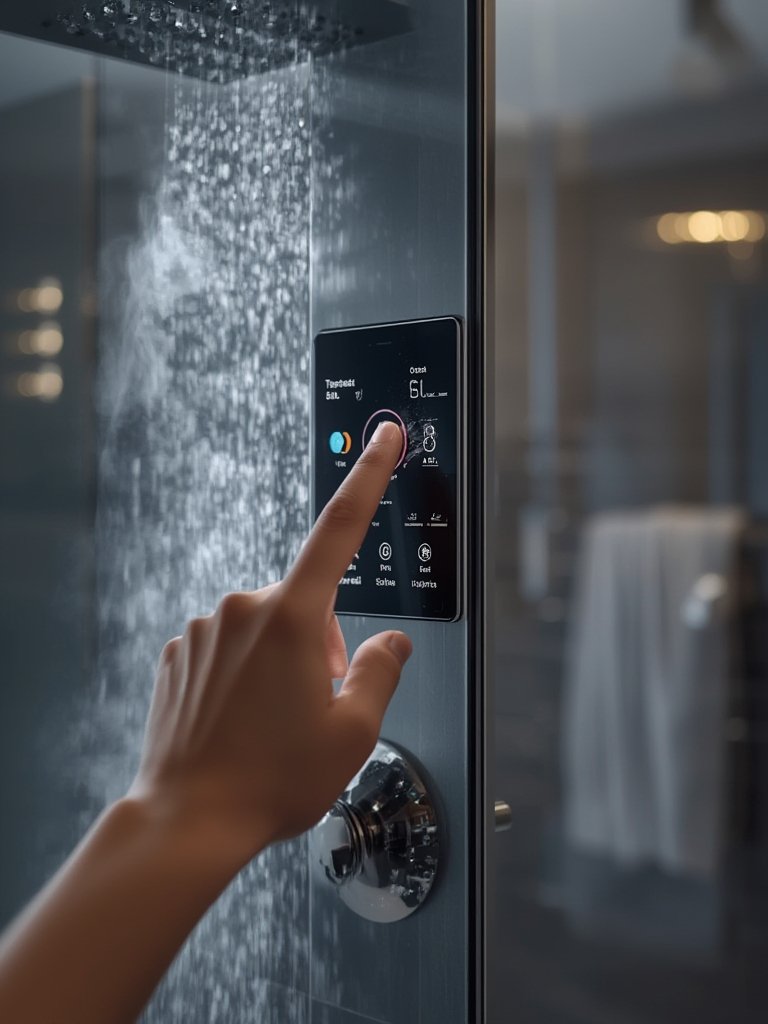
Residential applications led the way in 2024, making up 58% of the smart bathroom technology market. Homeowners, not hotels or clinics, are now the biggest drivers of advanced bathroom upgrades. The top product focus? smart toilets, which accounted for 36.9% of device sales—so if you’re prioritizing investment, the smartest place to start is modernizing the toilet, followed by touchless bathroom faucets, voice controlled showers, and heated bathroom floors.
Other fast adopters include buyers seeking accessible, hygienic spaces—think elderly-friendly features or advanced cleaning/health tech. Commercial locations like spas and high-end hotels–see spa bathroom design for inspiration—helped spark the trend, but the best innovations are now targeted directly at homeowners seeking daily comfort and long-term ROI.
The buyer’s checklist — Real-world compatibility and connectivity you must verify before buying
Before you click ‘buy’ on any smart bathroom upgrade, check these dealbreakers:
- Network compatibility: Most IoT-enabled smart bathroom technology (47.8% of 2024 device sales) require a strong Wi‑Fi connection (often 2.4 GHz) or, less commonly, Bluetooth LE, Zigbee or Z‑Wave. Wi‑Fi mesh and extenders may be needed for out-of-the-way bathrooms.
- Smart platform integration: Devices—especially touchless bathroom faucets and voice controlled shower systems—may only work with certain platforms (usually Google Assistant or Alexa). Verify both voice and app compatibility.
- Electrical and plumbing requirements: Heated bathroom floors require dedicated circuits and sometimes GFCI protection. Smart toilet features might demand both power and special plumbing connections. Always check the device spec sheet or hire a licensed contractor to survey your bathroom first.
- Cloud/account/linking limits: Some products require ongoing cloud subscriptions or smartphone apps with region locks, which can limit future usability and resale.
For more on how these upgrades relate to overall smart home flows, see our
best smart kitchen technology ideas post.
Installation, electrical & plumbing realities — What’s DIY vs. needs a pro
If you’re planning to install a smart mirror, heated bathroom floors, or advanced toilets, be aware: most upgrades are not fully DIY. Heated floors must follow code (permits and inspections are usually mandatory), while integrated smart toilets may require rerouting plumbing or adding power outlets. Voice controlled showers usually need both a plumber and electrician familiar with connected-home wiring and water controls. Touchless faucets can sometimes be homeowner-installed—check YouTube for model-specific walkthroughs, but always read the install guide first.
There’s a research gap on which tasks are owner-friendly and which absolutely need professionals. Until reputable sources clarify this, we recommend requesting quotes from at least two certified installers before purchasing, especially for any device that involves power or wet wiring.
Pro comparisons and specs are especially important if you’re remodeling for accessibility—combining functionality improvements with ADA compliance can deliver the biggest boost to resale.
Costs you’ll face — Upfront purchase, installation, and ongoing maintenance
Real-world costs for smart bathroom technology upgrades include much more than just the sticker price:
- Device price: Usually the biggest line item, especially for smart toilets (sometimes $2,000+ for premium models with AI health monitoring).
- Electrical & plumbing labor: Professional installation is often non-negotiable for heated bathroom floors, smart mirrors, and high-end toilets.
- Additional materials: New cabinetry, water lines, tiling, waterproofing membranes, or reinforced flooring may be required, driving costs up further.
- Ongoing cloud/subscription fees: Some brands charge a monthly or yearly fee for app-based or AI features. Always ask about this before purchase.
- Parts and maintenance: Replacing filters, batteries, sensors, or proprietary modules over time can add up.
The research consensus is clear: there’s little to no transparent data on total project costs for smart bathroom technology, and cost remains a major barrier to adoption. Always build your own cost breakdown, get professional quotes before buying, and pad your budget by 10–25% for overruns.
For context, explore costs and ROI for outdoor kitchen installations—the planning process is similar and applies to smart bathroom upgrades as well.
Most advanced smart toilet features in 2024 — What’s new vs. previous generations
While all smart toilets add comfort and hygiene, 2024’s next-gen models stand apart. Advanced smart toilet features now include:
- Self-cleaning and deodorizing: Automated disinfectant and odor-reduction cycles
- Heated seats and motion-activated seating: For all-weather comfort and accessibility
- Hands-free flushing: Reduces germ spread and assists users with mobility limitations
- Integrated night lights: Safer trips at night, especially for elderly or young children
- AI-powered health monitoring: Devices like the 2024 TOTO Washlet include real-time waste analysis with personalized feedback—an industry first
This leap in smart toilet features enables real hygiene, safety, and accessibility benefits over older models, not just new tech for tech’s sake.
Learn more about wellness and spa-like features at our
spa bathroom ROI guide.
Touchless faucets, voice-controlled showers, and smart mirrors — technical specs & integration tips
Before choosing a touchless bathroom faucet, voice controlled shower, or smart mirror, check these technical requirements:
- Connectivity: Wi‑Fi (often 2.4 GHz only, sometimes 5 GHz), Bluetooth LE, or smart hub (Zigbee/Z‑Wave). Some products are region-restricted or vendor-locked—always check before you buy.
- Power: Battery-operated smart mirrors are rare—look instead for models that can be hardwired into a GFCI circuit. Faucets with motion sensors often use replaceable batteries; voice controlled showers almost always need wired power.
- Integration: The best devices integrate with Alexa, Google Assistant, and occasionally Apple HomeKit. Cloud-only features may disappear if a brand is discontinued or you move regions.
Examples:
Moen Smart Faucet (touchless, app and voice integration) and
Nuheat Signature heated floor system (Wi‑Fi remote scheduling via thermostat hub).
Reliability & security — What we know, what’s missing, and how homeowners should evaluate risk
Privacy and security are becoming just as important as convenience and hygiene—yet there’s a big knowledge gap. No public data is available on user reliability, security ratings, or reported vulnerabilities for major smart bathroom technology brands or devices as of 2024. But privacy remains a major concern cited as a barrier to adoption, especially for devices with microphones, cameras, or cloud-based health data.
Evaluate devices using this quick-priority checklist:
- Firmware update policy: Does the vendor publicly share how often they patch software and for how long they support devices?
- Local vs. cloud processing: For sensitive features (e.g., health data), do you have a local control option, or is everything uploaded to the cloud?
- Vendor security disclosures: Is the brand transparent about vulnerabilities, audits, and compliance with best practices such as NIST or IEC standards?
- Third-party reviews: Scan forums and independent product reviews for any history of outages, data loss, or manufacturer lockouts.
For more guidance on smart home security, our
smart door lock buying guide covers vetting vendors and policies in more detail.
Energy, water savings and long-term ROI — an undercovered but decisive topic
Water and energy efficiency often go unreported but matter hugely for operating costs and sustainability. There’s almost zero data published on actual kWh and gallons saved by smart bathroom technology—meaning homeowners must request these specifics from manufacturers or measure their own bills.
To estimate payback:
- Ask for published energy and water use from device makers (look for ENERGY STAR or WaterSense labels where available).
- Plug the figures into this sample formula:
Savings = (old device annual use – new device annual use) × utility rate × years - Factor in any ongoing subscription or maintenance costs to get true ROI.
If you want extra credit, check manufacturer claims against reviews and utility company or government conservation reports. Our post on biophilic design covers wellness and energy impacts of smart remodels in more depth.
Common homeowner pain points & where to source real feedback (reviews, forums, service data)
Despite growing popularity, smart bathroom technology comes with its share of headaches. Typical homeowner complaints focus on:
- Install complexity (especially with plumbing, wiring, or older homes)
- Unreliable Wi‑Fi connections or device lockouts
- Buggy sensors or short product lifespans
- Cloud or voice control outages
- Subscription lock-in and poor app experiences
- Slow or unhelpful vendor support
- Difficulty sourcing replacement parts or services after a few years
To get a real sense of what to expect, check:
- Amazon, Best Buy, and specialty retailer product reviews
- Trustpilot for brand reputation
- Reddit communities like r/HomeImprovement for unfiltered stories
- Installer/warranty claim data when accessible
For comfort, check out our
spa bathroom ROI guide
and note what pain points real users highlight in reviews.
Top 5 actionable recommendations for homeowners ready to upgrade
- Define your goals (hygiene, accessibility, energy, wellness, resale) before shopping—don’t chase features you’ll never use.
- Shortlist products by compatibility with your home’s network, wiring, plumbing, and preferred voice platform.
- Always get at least two contractor quotes for installation—including all plumbing, tiling, electrical, and app setup.
- Vet security/firmware update policies and privacy practices for every device. If possible, choose brands that allow local control and don’t require mandatory cloud subscriptions.
- Budget for at least a 10–25% cost cushion for overruns, unknown installation issues, and first-year maintenance—reflecting industry realities where cost is cited as the key barrier and residential users made up 58% of the market in 2024.
You’ll find related step-by-step planning in our
smart kitchen technology ideas guide.
Sources the writer must consult and data to collect before drafting
If you’re doing a deep-dive, don’t rely just on summary research. To fill all gaps:
- Review manufacturer spec sheets and install guides for smart toilets (e.g., TOTO), faucets (e.g., Moen), and heated floors (e.g., Nuheat).
- Search Amazon, BestBuy, and Reddit for failure/success stories (reliability, parts sourcing, app lockout issues).
- Check NIST IoT security guidance and independent vulnerability reports for objective assessment.
- Request at least two local contractor quotes on both device cost and full installation—including demo and finishing touches.
- Track energy/water conservation data via manufacturer product claims and real world usability reports (if available).
Keeping up with projected market CAGR (~11.6–16.5%) means only the most recent specs and local regulations will be reliable, so fresh research is critical.

Conclusion
Smart bathroom technology can transform your home, but only if you plan ahead. Most devices now offer real features for hygiene, accessibility, and energy efficiency—but costs, compatibility, and privacy tradeoffs are very real. Always check device specs, read real user reviews, and involve pros for any complex install. Get quotes, prioritize proven brands, and build in budget margin. Done right, these upgrades pay off in comfort, value, and sustainability—done wrong, they’re gadgets you’ll regret. For your next step, use our checklist and ROI calculator to evaluate if now’s the right time to bring smart bathroom technology into your life.
Frequently Asked Questions
Are smart toilets worth it for hygiene and accessibility?
Yes, for many users. Smart toilets with features like self-cleaning, hands-free flushing, and heated seats can significantly improve hygiene and comfort for elderly family members or those with mobility challenges.
What do I need to prepare before installing smart bathroom devices?
You’ll need to check your home Wi‑Fi strength, outlet locations, plumbing access, and ensure your chosen devices integrate with your preferred smart home platform. Always read the installation guide and get quotes from certified pros if you’re not comfortable with plumbing or electrical work.
How secure are smart bathroom devices?
Security varies by brand and model. Look for brands with a clear firmware update policy, published security audits, and options for local (non-cloud) control. Avoid devices that require unnecessary cloud accounts for basic features.
How can I estimate my energy and water savings?
Request energy and water usage data from the manufacturer, then compare against your current bills using the formula Savings = (old use – new use) × utility rate × years. Factor in maintenance or subscription costs for accurate ROI.
Can I install smart bathroom tech myself?
Some devices—like basic touchless faucets or plug-in mirrors—are DIY-friendly. Complex upgrades (heated floors, integrated toilets, voice controlled showers) usually require both electrical and plumbing pros to ensure safety and longevity.
See more product reveiws here