

Biophilic design home is more than a buzzword—it’s a proven approach for transforming ordinary living spaces into healthier, more inspiring environments. Many homeowners want the wellness benefits seen in hospitals and offices, but practical evidence and clear action steps for real homes have been missing. This playbook gives you grounded strategies to add nature to your home, spot evidence gaps, and plan for realistic results, costs, and challenges.
Key Takeaways
- Biophilic design in homes can meaningfully reduce stress and improve comfort—but most scientific evidence to date comes from hospitals and workspaces, so careful adaptation is key.
- Real-world implementation hinges on smart species selection, budget planning, light optimization, and recognizing potential challenges like maintenance, costs, and moisture control.
- Tracking actual impacts—wellness, energy, and ROI—requires simple measurements and ongoing adjustments. There are major gaps in residential-specific research, so be realistic and iterative.
- What is biophilic design for the home?
- Step-by-Step Guide: Bringing Biophilic Elements Home
- Advanced Analysis & Common Pitfalls
- Conclusion
- Frequently Asked Questions
What is biophilic design for the home?
Biophilic design home means shaping your rooms and routines to reconnect people with living nature. Traditionally, biophilic design emerged in healthcare facilities and office buildings, backed by studies finding measurable reductions in stress, boosts in mood, and even faster healing when people are exposed to real plants, natural light, verdant views, or nature-inspired patterns.
At home, the goals shift: more relaxation, better sleep, comfort, and aesthetics that spark joy. Core strategies fall into three types: direct nature (like indoor plants design and living walls installation), indirect patterns (natural textures, stone, or wood surfaces), and spatial or organismic patterns (window views, ventilation, daylighting).
Recent research reviews show that biophilic elements produce “significant positive effects on self-reported psychological states,” including increased feelings of inspiration (see PMC review 2024).
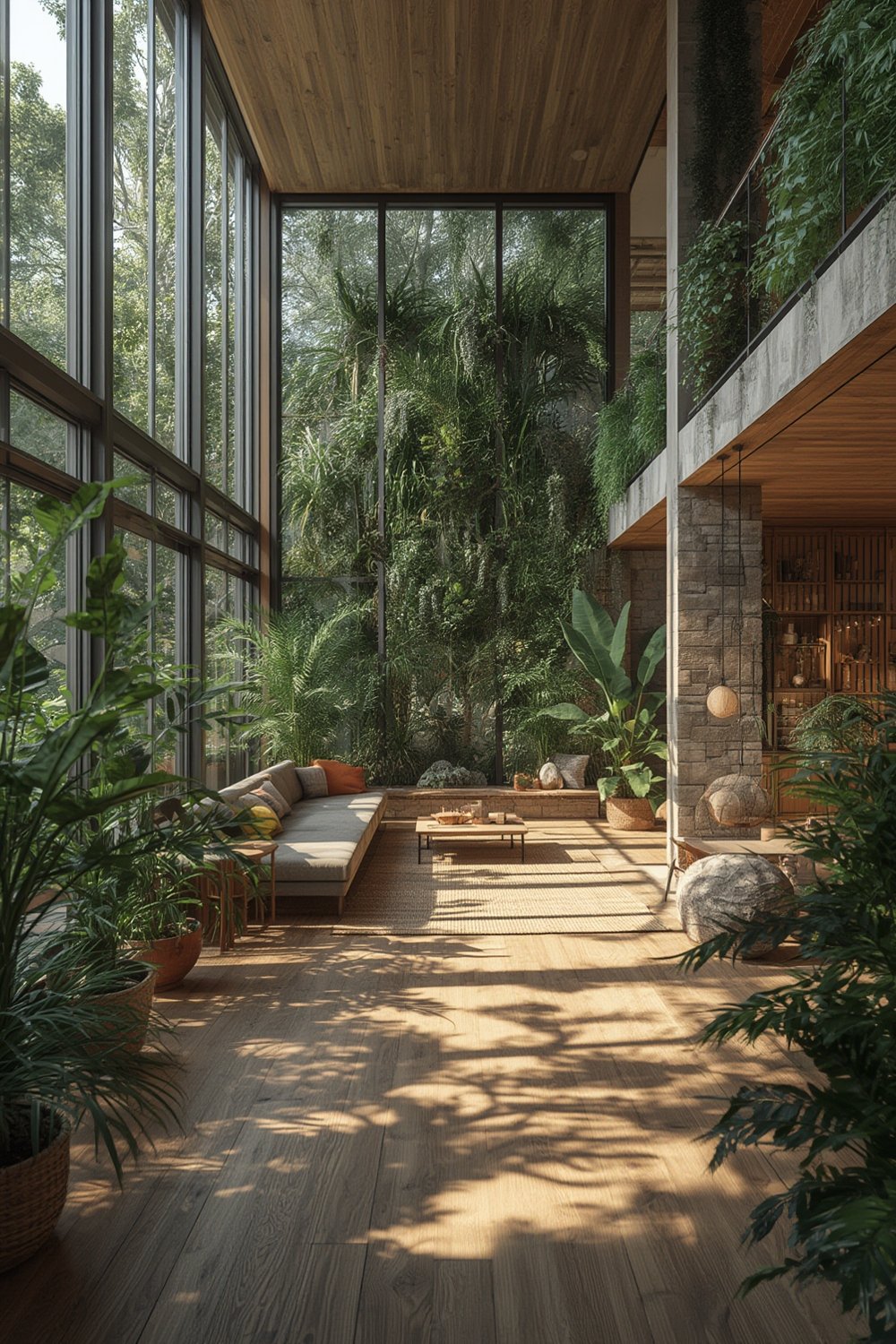
Home isn’t a hospital, but the same principles—living greenery, abundant soft daylight, use of natural finishes—can be tuned to fit apartments, condos, and houses on any budget. Learn more about other smart transformation strategies with our latest guide on AI & IoT-based home improvements.
Step-by-Step Guide: Bringing Biophilic Elements Home
Transforming your space with biophilic design isn’t all or nothing. Start simple and scale up. Here’s a clear sequence for integrating nature inspired interior design while navigating cost, maintenance, and practicality.
-
Set Your Wellness and Budget Goals
- Are you aiming to reduce stress, improve sleep, boost home value, or save energy?
- Low investment: potted plants, UV-sheer curtains; medium: modular living wall or daylight shelves; high: built-in window, large green wall, or smart light/irrigation.
-
Audit and Plan Lighting
- Map your natural light exposure. Flag both brightest and dimmest areas—natural light maximization is about balance, not just adding windows.
- Install diffusing window films or reflective shelves to bounce daylight deeper into rooms. Energy audit tools or apps like Sense, Neurio, or utility bill trackers can estimate potential lighting-related savings after daylighting upgrades (see research here).
-
Indoor Plants Design: Choose by Zone & Lifestyle
- Low-light apartments: pothos, snake plant, ZZ plant.
- Bright, sunny homes: fiddle leaf fig, rubber tree, aloe vera.
- Pet-safe: Boston fern, calathea; seasonal climates: spider plant, philodendron.
- Water: most plants weekly; drain any saucers fully. Fertilize lightly once a season. Monitor for pest outbreaks, and prune as needed.
Want to see a thorough tech integration example? Check our review of the DESLOC B200 Smart Door Lock—great for pairing with biophilic security setups.
-
Living Walls Installation: Tailor Structure to Your Space
- Temporary modular: best for renters, basic hand-watering.
- Soil modular or hydroponic: higher cost, requires structural checks for weight, access for pruning, and reliable irrigation (drips, pumps, or wicks).
Plan for regular upkeep—clean for mold, trim monthly, and test moisture regularly. Consult living wall vendors for up-to-date starter and maintenance quotes (evidence gap: researchers have not provided standard pricing—populate this with real vendor data!).
-
Add Nature-Inspired Surfaces and Views
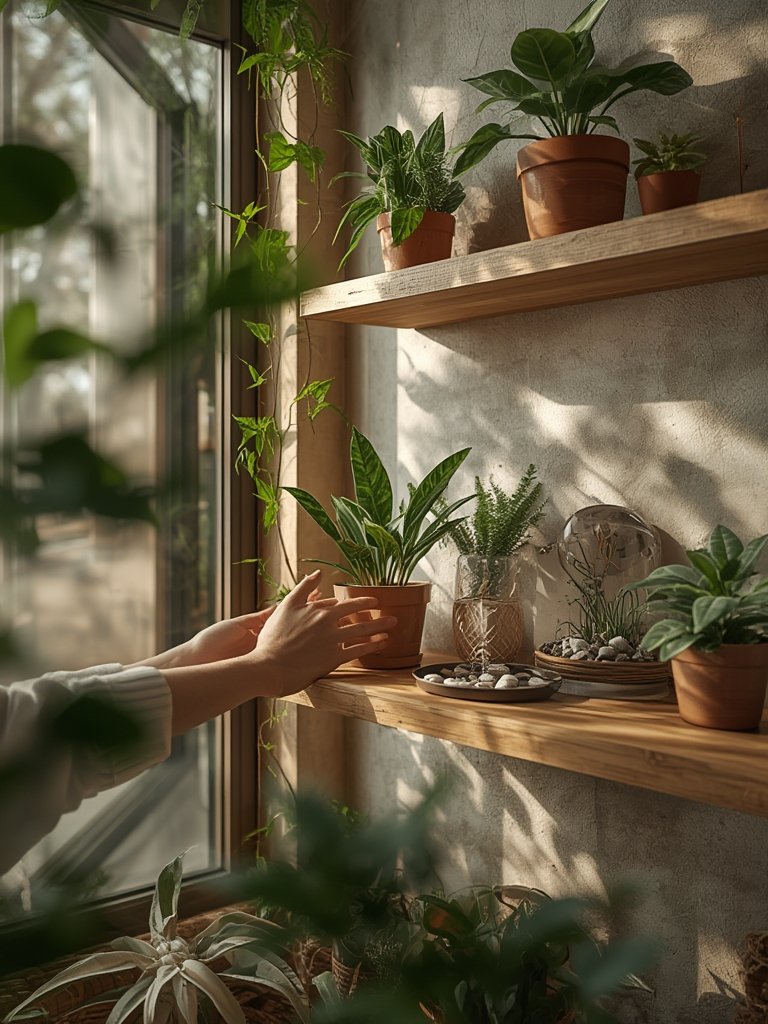
- Wood, stone, natural textiles, curved forms, tactile objects. These indirect cues support a sense of calm and richness even without extra watering or plant care.
Bonus for Energy Savings: Daylighting Tactics
- Install light shelves or high-reflectance white paint to distribute sunshine.
- Evaluate for glare—sheer curtains can soften without losing brightness.
- Monitor before-and-after electricity usage with bill normalization (evidence gap: home-specific savings not well quantified in research, but see Gensler guidelines for commercial success rates).
While research directly shows stronger effects in healthcare and office settings, mindful translation lets you enjoy inspiration, stress reduction, and beauty at home, just with realistic expectations.
Curious about blending natural elements with smart home upgrades? Explore more ideas in our smart kitchen technology roundup.
Advanced Analysis & Common Pitfalls
Even with the best nature inspired interior design, real-world home deployments face unglamorous challenges—especially when trying living walls installation or ambitious indoor plants design. The research evidence for residential settings is lacking, so here are the documented gaps, known issues, and expert strategies:
Table: Core Strategies—Risks, Costs, and Mitigation
| Intervention | Common Pitfalls | Estimated Cost Range (2024) | Mitigation/Expert Tip |
|---|---|---|---|
| Indoor plants design | Overwatering, pest infestations, wrong plant for light levels, neglect during vacation | $10–$80 per plant + $5–20/mo care | Start with robust, low-maintenance species; group plants by needs; use self-watering pots; assign a family “plant monitor.” |
| Living walls installation | Moisture leaks, mold, structural overload, spotty irrigation, rapid die-off | $300–$2,500+ for modular; $5,000–$30,000 for built-in (+$250–$1,000/yr maintenance) | Stick to modular for DIY; get a pro for built-in; ask for past 12-month vendor case studies. Ensure waterproofing and access panels. |
| Natural light maximization | Glare/heating in summer, under-lighting in winter, window condensation, privacy issues | $120–$2,100 for light shelves/films; $900–$4,000+ for new skylights | Test glare with meter/app before adding mirrors/shelves. Use light-diffusing curtains. Normalize energy bills when assessing ROI. |
Evidence gap: The latest research reports explicitly state “the search results do not contain specific information about homeowner challenges, complaints, or solutions related to implementing biophilic design in residential settings.” Mirror this gap by collecting your own experiences, or consult dedicated homeowner forums and living wall vendor references.
Additional Challenges You Should Expect
- Time: Weekly plant watering is quick, but living wall upkeep takes commitment.
- Structural: Not all apartment or condo walls can safely handle heavy built-in installations—modular and free-standing solutions are best for renters.
- Energy: No conclusive data yet exists for post-retrofit residential energy bill impacts due to biophilic enhancements—monitor your own metrics before relying on quick payback claims.
- Maintenance: High-tech features (like smart irrigation) streamline daily work but require upfront set-up and regular system checks. Start small if learning.
Plant species also require close matching to your home’s natural light and climate. The research summary found “no specific plant species, their suitability for different climates, lifestyles, or maintenance requirements”— so supplement with up-to-date expert guidance from Gensler or your local botanical extension office.
Conclusion
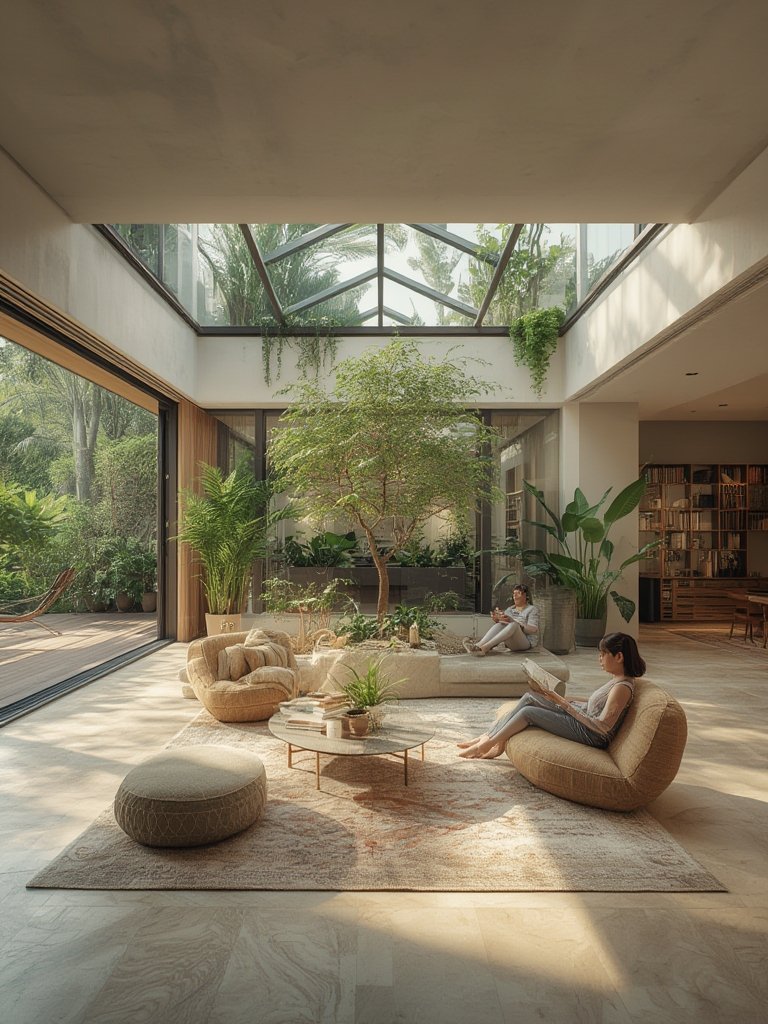
Bringing biophilic design home is attainable and rewarding—but best achieved with eyes wide open. Start small, budget realistically, and iterate based on your own experience. Monitor stress, sleep, energy bills, and plant health. Learn from the strong evidence in healthcare and office settings, but understand the gaps for real homes and collect your own “mini case studies.” Biophilic design home is a living experiment, and you are the lead researcher.
Want to go deeper? Compare smart home upgrades that work with nature by reading our best smart kitchen technology ideas, or see how a secure entry system can complete your healthy-home ecosystem in our DESLOC B200 review.
Ready to try? Plan your first nature-inspired upgrade this weekend—and share your results.
Frequently Asked Questions
Can biophilic design home projects actually lower my energy bills?
Daylighting tactics and shading can reduce lighting and cooling loads. However, current research does not provide household-specific numbers, so track your before-and-after bills to see real impact in your home.
What are the easiest indoor plants for a low-light apartment?
Robust, low-maintenance options include pothos, snake plant, ZZ plant, and philodendron. Be sure to water only when soil is dry, and dust leaves occasionally for best results.
How much does a living walls installation cost for a home?
Modular living walls start around $300–$2,500 (DIY), while built-in, high-spec walls can reach $5,000–$30,000 plus annual maintenance. Always request recent vendor case studies before committing.
Are there drawbacks or risks to biophilic design at home?
Yes. Maintenance needs, potential for leaks or mold with living walls, choosing the wrong species, and upfront investment can all be challenging. Start with pilot projects and track plant health to learn what works in your space.
How do I know if biophilic interventions are helping my well-being?
Use simple self-report surveys on mood and stress, track your sleep with a wearable, and note any changes in focus or comfort. Adjust designs based on what you actually observe, not just marketing claims.