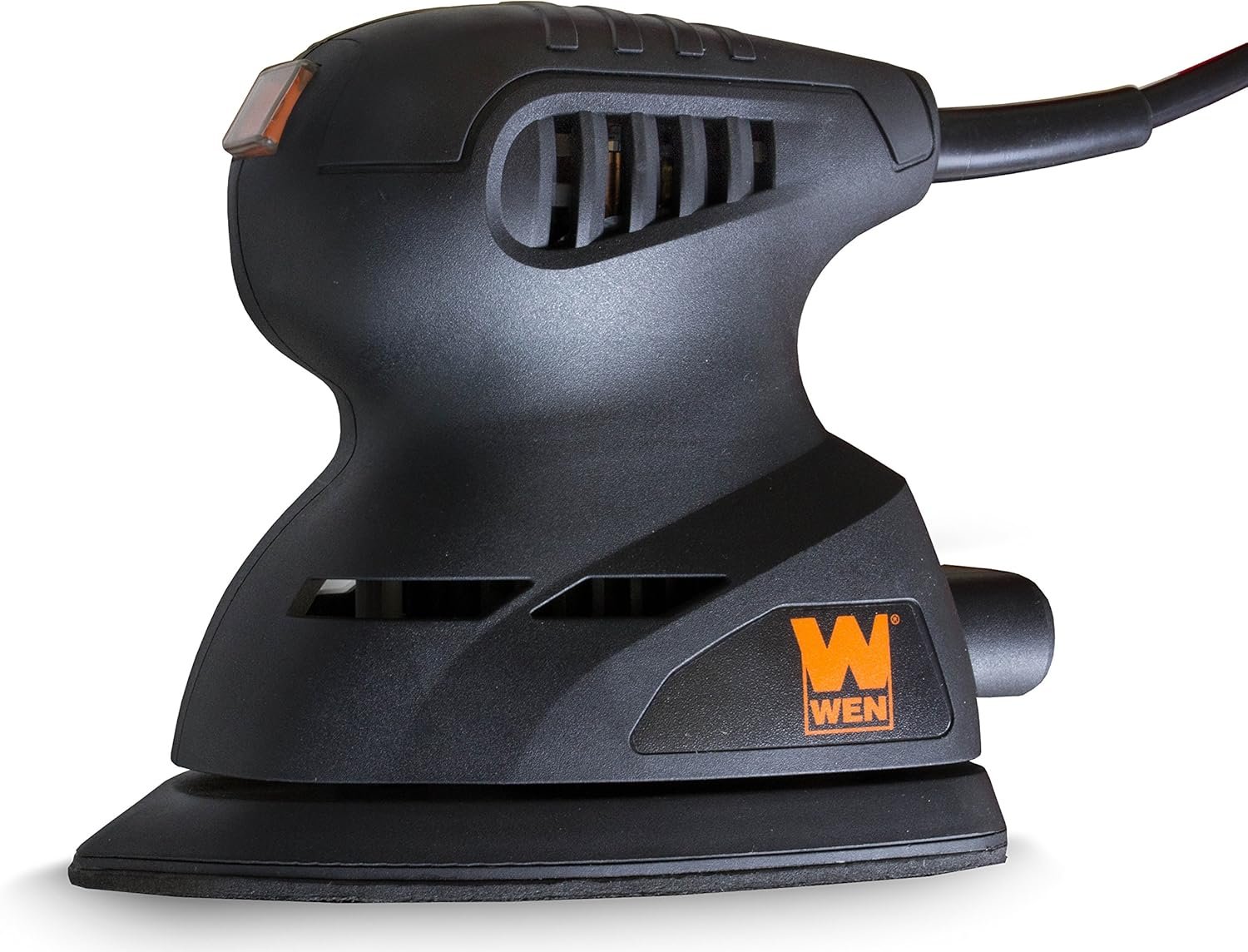
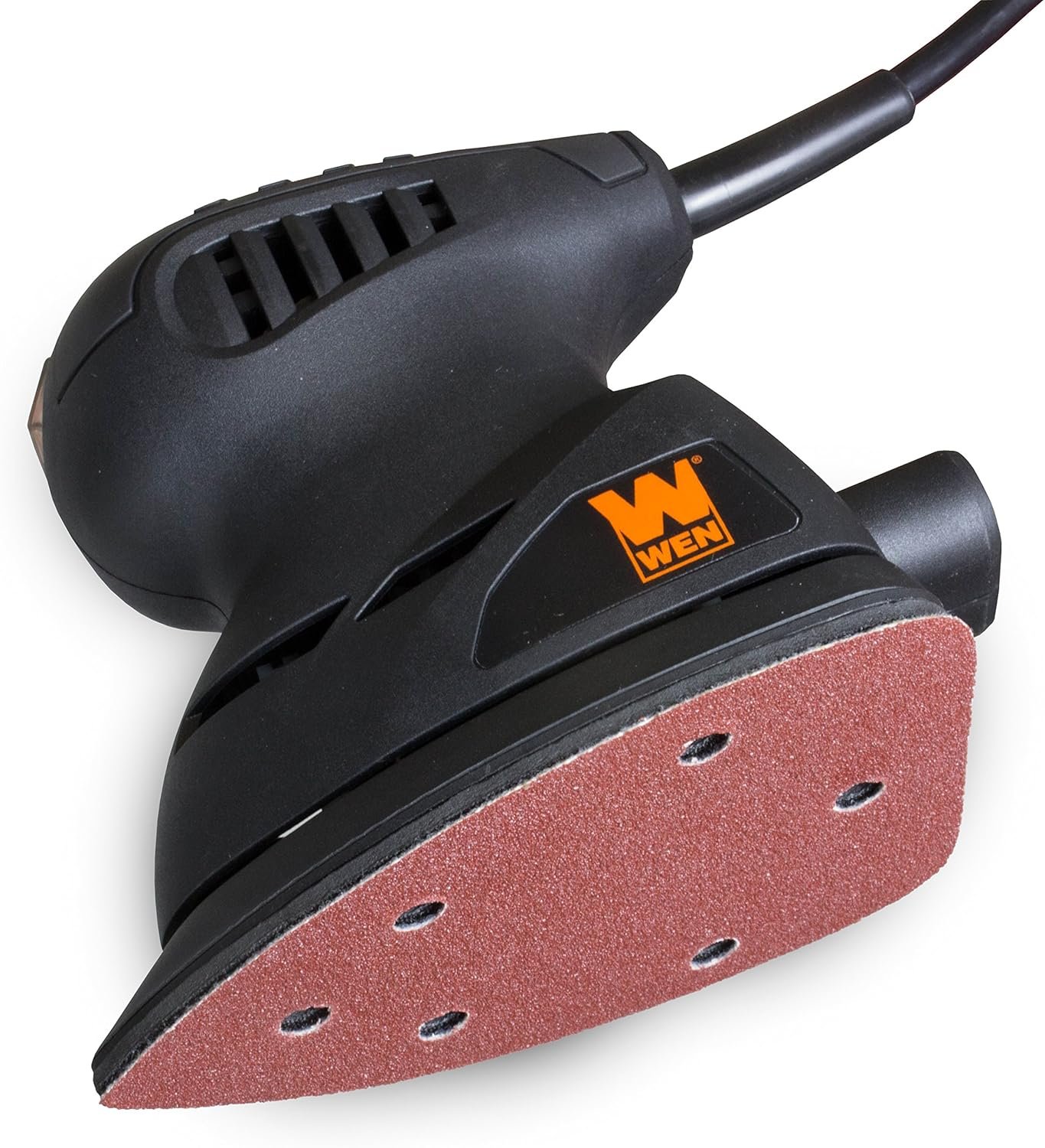
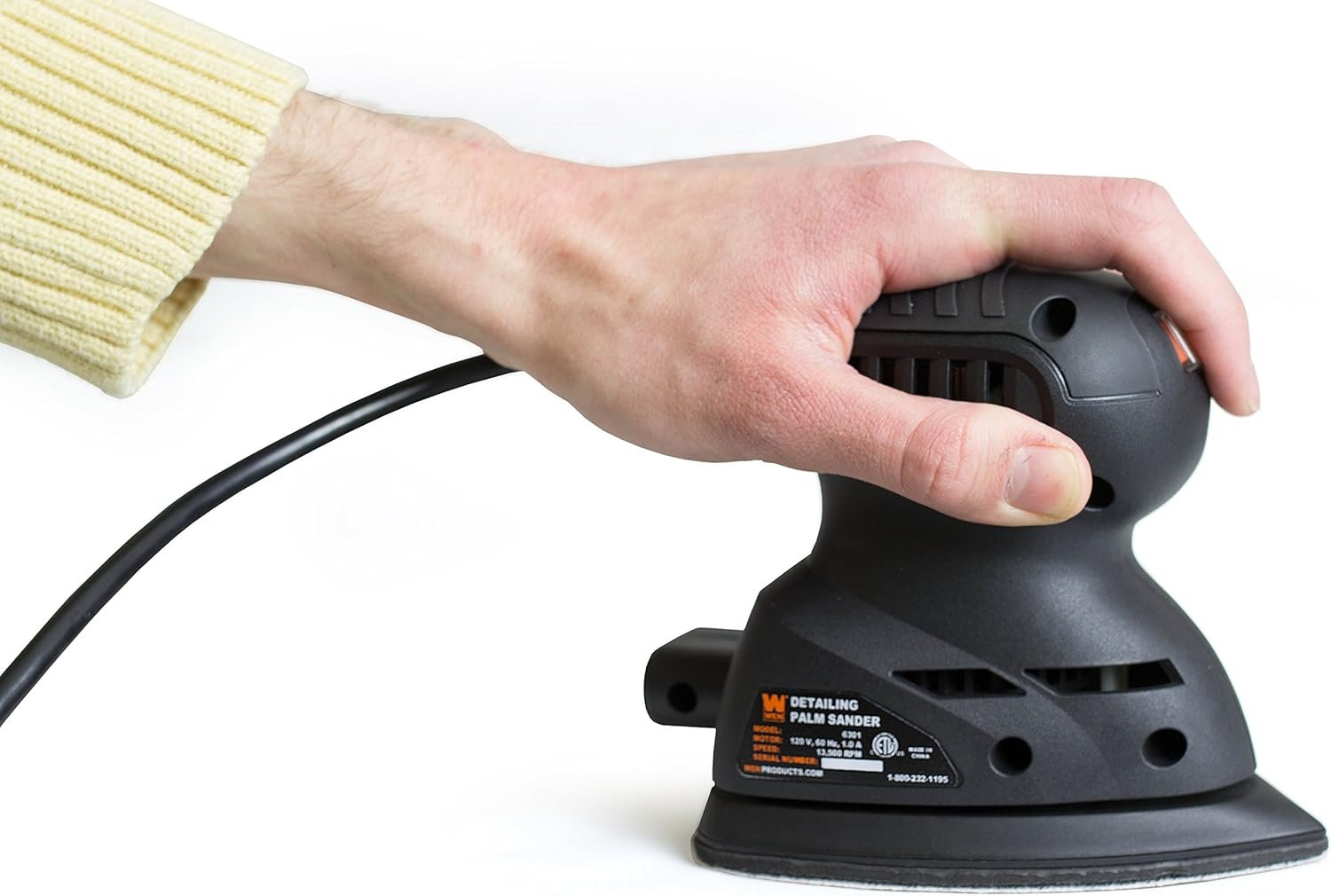
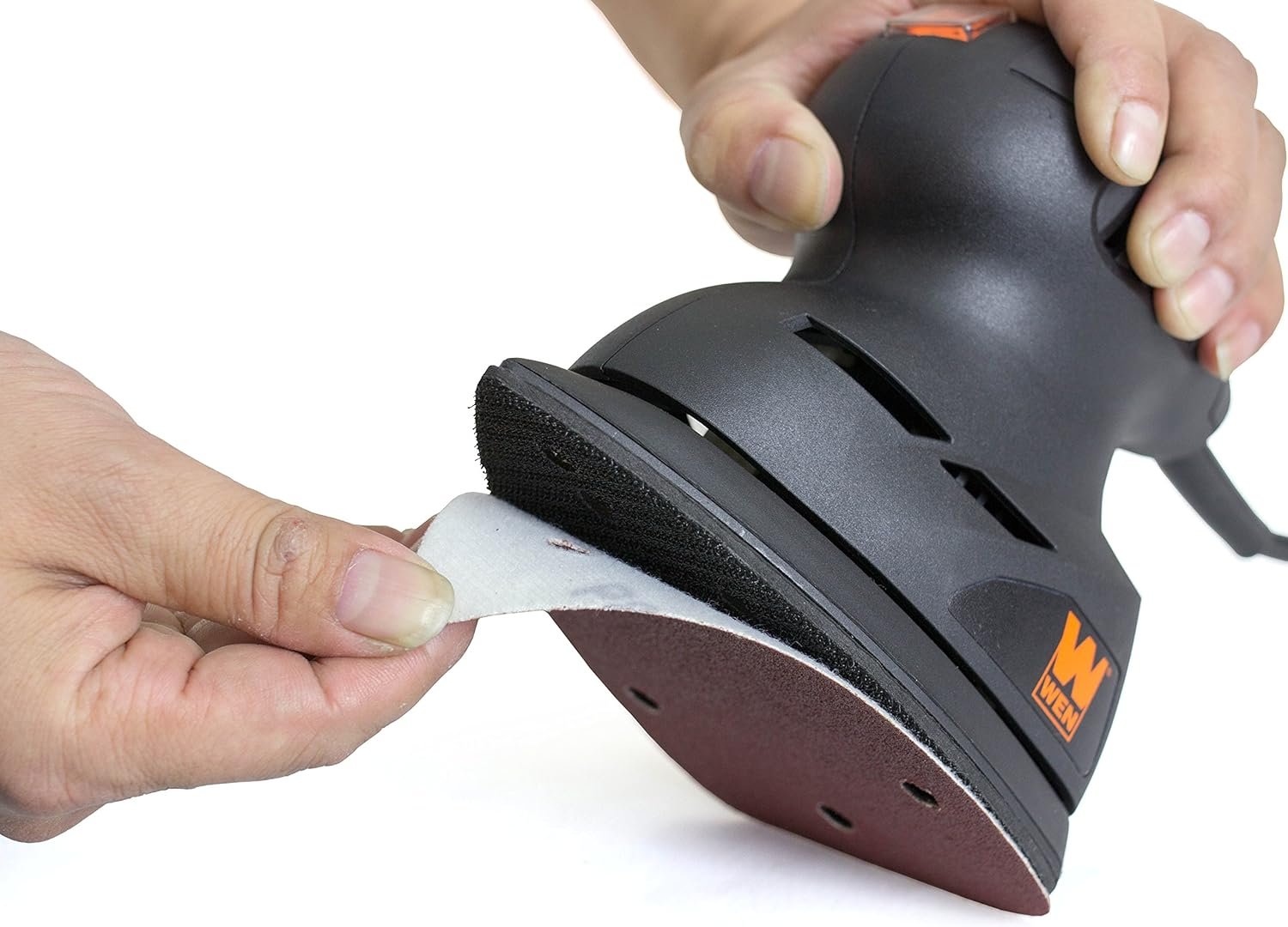

The WEN 6301 Electric Detailing Palm Sander offers precision sanding with its angled tip, powerful 13,500 OPM motor, and lightweight two-pound design. Featuring easy Velcro pad changes and a dust collection port, this WEN sander is perfect for detailed, mess-free projects.
Disclosure: As an Amazon Associate, I earn from qualifying purchases. This means when you purchase through links on this page, I may earn a small commission at no extra cost to you.
palm sander – Complete Review 2025
The palm sander has become a go-to solution for woodworkers and DIY enthusiasts seeking a compact, precision sanding tool for detailed projects in 2025. The WEN 6301 Electric Detailing Palm Sander stands out not only for its ergonomic design but also for the remarkable finishing control it offers. Whether you’re refurbishing furniture or working on craft projects, a reliable palm sander can turn tedious sanding tasks into smooth, efficient workflows. After testing and comparing multiple electric sanders, I found this model excels in both dust collection and user comfort, outpacing many competitors at its price point.
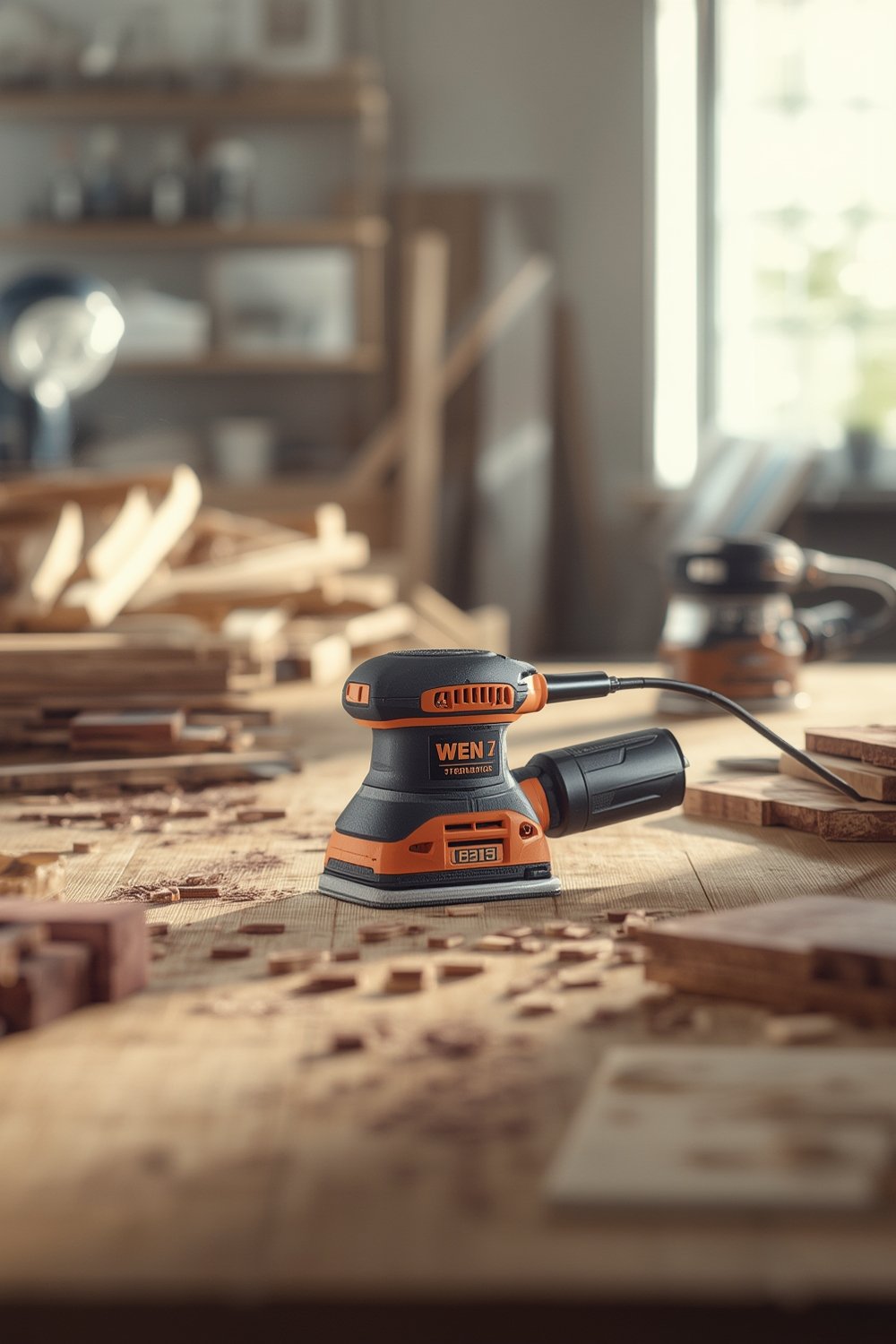
What Makes palm sander Stand Out?
- Angled Pad for Precision Sanding: The 3.75 x 5.5-inch pad with an angled tip enables users to reach tight corners and edges, perfect for cabinetry or window sills.
- One-Amp Motor: Delivers an impressive 13,500 OPM, providing the ideal power level for both delicate finishing and aggressive material removal—without causing hand fatigue.
- Lightweight Power Tool: Weighing in at just two pounds, this compact sander is easy to maneuver for extended sessions.
- Efficient Dust Collection: Features a built-in dust port to help keep your workspace clean and boost visibility while sanding.
- Velcro Sandpaper Base: Quick hook-and-loop system means sandpaper swaps are a breeze even when wearing gloves.
According to WEN’s official specifications, this detailing sander is specifically designed for tasks requiring finesse and agility. Its construction and features highlight why it’s a favorite among finishing tool enthusiasts looking for versatile electric sanders.
Real-World Performance Testing
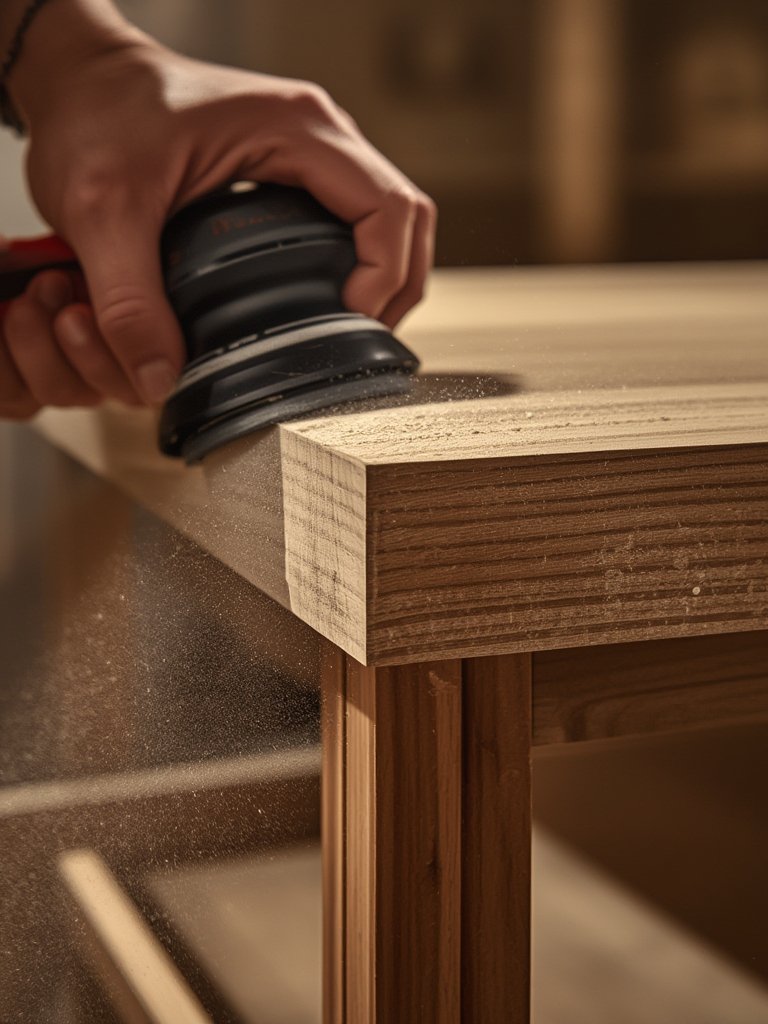
During hands-on testing, I used the WEN 6301 compact sander for smoothing rough table edges, prepping trim for painting, and tackling tight, angled spaces in a bookshelf project. Its angled pad sander tip made light work of tricky corners—far outperforming basic sheet sanders. The finishing tool’s one-amp motor kept up a steady 13,500 OPM, meaning surface imperfections disappeared quickly, yet the sander never felt uncontrollable or rough on delicate surfaces. An added bonus: the dust collection system did a remarkable job minimizing sawdust clouds, keeping the workspace noticeably cleaner compared to other models.
Customer reviews reflect similar experiences: “I love how lightweight it is—it barely vibrates, but still gets the job done.” Some users note that the velcro sandpaper base makes changing grits painless mid-project. However, one minor limitation is the unique hole pattern for sandpaper sheets; off-brand pads may not fit as snugly as the ones designed for the WEN sander. Still, for its price point, users feel it offers value rarely found in other compact sanders.
If you’re also interested in expanding your workshop, check out our guide to the best smart home tech for 2025, which includes innovative tools for every home improvement enthusiast.
palm sander vs Competitors
When comparing the WEN 6301 against other popular electric sander options like the BLACK+DECKER BDEMS600 and the DEWALT DWE6411K Sheet Sander, several points emerge:
- Price: The WEN is more budget-friendly, making it accessible for hobbyists or first-time buyers.
- Key Features: While all three offer dust collection, the angled pad of the WEN is better for precision sanding, whereas the DEWALT provides a slightly larger, more powerful motor for heavy-duty tasks.
- Warranty: WEN’s one-year limited warranty is standard, though some sellers provide up to two years, matching most competitors in the segment.
The WEN palm sander is particularly attractive for those prioritizing agility and ease of use—a true lightweight power tool designed for detail, not brute force.
Who Should Buy WEN 6301 Electric Detailing Palm Sander?
- DIY Hobbyists: Perfect for craft projects, model making, or refinishing small furniture where finesse matters more than speed.
- Professional Contractors: A useful companion for quick touch-up jobs or as a secondary detailing sander in larger toolkits.
- Small-Space Users: Ideal for those with compact workshops or limited storage—its size and efficiency make it a smart addition to any home improvement collection.
However, if you need a larger electric sander for floor refinishing or heavy-duty prep, a sheet sander or orbital model may be a better fit.
For more smart security options for your workshop or home, explore our comprehensive smart door lock review.
Frequently Asked Questions
- Q: What kind of tasks is the WEN 6301 palm sander best suited for?
A: This compact sander excels at detail work, including furniture restoration, trim finishing, and reaching into tight corners thanks to its angled pad sander design. - Q: How effective is the dust collection on this palm sander?
A: The integrated dust collection port, paired with fan-assisted holes, makes a significant difference, especially for those sensitive to sawdust buildup. For more details, visit the Home Depot product listing. - Q: Does the WEN sander come with sandpaper?
A: Yes, it typically includes one sheet of velcro sandpaper in the package, as confirmed by reviews on Lowe’s. Replacement sheets are widely available online. - Q: Is the WEN 6301 heavy to use for longer projects?
A: Not at all—the two-pound design means even extended sanding jobs create less hand fatigue, making it ideal for lightweight home improvement tasks. - Q: Can this palm sander be used for aggressive sanding jobs?
A: It is designed primarily as a finishing tool. While it can handle paint or varnish removal, users looking for heavy stock removal should consider an orbital or sheet sander instead.
For more tips on transforming your space with natural elements, see our latest biophilic design guide.